Acerola
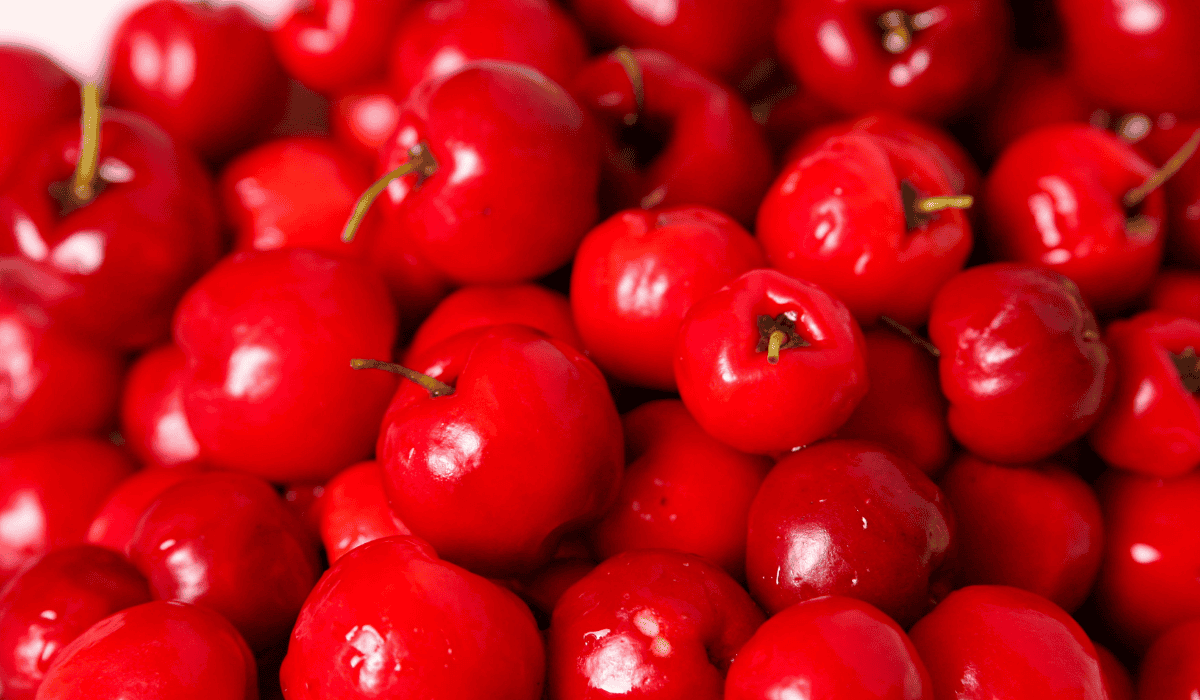
Acerola (Malpighia emarginata), also known as the “Barbados cherry,” is a bright red fruit grown in tropical regions. It is one of the richest natural sources of vitamin C; thanks to this property and its phenolic/carotenoid compounds, it stands out in research with strong antioxidant and potential anti-inflammatory effects (1, 2).
Phytochemistry and Nutritional Profile
-
Vitamin C (Ascorbic Acid): Depending on variety, ripeness, and processing conditions, acerola is recognized for containing vitamin C levels up to 50–100 times higher than citrus fruits like oranges/limes (approximately 1500–4500 mg/100 g fresh fruit; in some measurements, 3743–5073 mg/100 g in pulp) (2).
-
Phenolics and Anthocyanins: Rich in phenolic acids and flavonoids such as cyanidin-3-rhamnoside, quercitrin, and rutin; these compounds are investigated for their ability to neutralize free radicals and inhibit carbohydrate-digesting enzymes (3, 4, 5).
-
Carotenoids & Other Micronutrients: β-carotene and folates have also been reported; their distribution varies across ripening stages (6, 7).
1. Strong Antioxidant & Anti-Inflammatory Support
Mekanik/ökaryotik modeller ve derleme çalışmalar acerolanın serbest radikal giderici, hücresel oksidatif stres belirteçlerini azaltıcı ve anti-inflamatuvar potansiyelini rapor eder. Dermal fibroblast modellerinde oksidatif hasara karşı koruyucu etkiler gösterilmiştir (6, 2). Not: Bulguların çoğu hücre/hayvan verisidir; insanlar üzerinde daha büyük ve uzun süreli çalışmalara ihtiyaç vardır.
2. Skin & Collagen: Clinical Findings (Combined Products)
Randomized controlled trials with drinkable nutraceuticals containing collagen peptides, acerola extract, and vitamin C, among other antioxidants, have reported improvements in skin hydration, elasticity, and wrinkle scores (8, 9, 10). These studies use multi-ingredient formulas; therefore, effects cannot be attributed solely to acerola, though synergy along the vitamin C–collagen axis is notable.
3. Vitamin C and Iron Absorption
Acerola juice may positively influence the absorption and excretion profile of vitamin C (human data) (11). In addition, ascorbic acid is one of the main dietary factors that enhance non-heme iron absorption (12). Thus, vitamin C/acerola can support absorption when consumed with plant-based iron sources. In people with iron overload (e.g., hemochromatosis), warnings exist that high vitamin C intake may pose risks; these groups should avoid high doses without medical guidance (13, 14).
4. Metabolic & Glycemic Mechanisms (Preclinical)
Acerola polyphenols have been reported (in vitro) to inhibit α-glucosidase and reduce advanced glycation end products (AGEs) formation (3). Animal studies (obesity models) have shown that acerola juices may influence antioxidant defenses and energy metabolism enzymes (15, 16). Human confirmation is required.
Everyday Use
Acerola is available fresh, as frozen pulp, in powder form, or as an extract.
-
Can be added to smoothies, yogurt, oats, tonic drinks, and botanical blends by following label recommendations.
-
In botanical blends, it may serve a supportive role in morning rituals.
-
When consumed with plant-based iron sources (e.g., cocoa, legumes), it may support non-heme iron absorption (12).
Conclusion
Acerola provides exceptionally high vitamin C together with phenolics and carotenoids, offering antioxidant and anti-inflammatory potential. While clinical data (especially with combined formulas) indicate improvements in skin hydration and elasticity, more long-term human studies on single-ingredient use are still needed. With smart formulation and proper storage, stability can be preserved.

About author