Papaya
Papayas are tropical fruit high in vitamin C and antioxidants. Certain compounds in papayas may have anticancer properties and improve heart health, among other health benefits. The papaya is an incredibly healthy tropical fruit. It’s loaded with antioxidants that can reduce inflammation, fight disease, and help keep you looking young. Here are 8 health benefits of papaya.
Delicious and Loaded With Nutrients
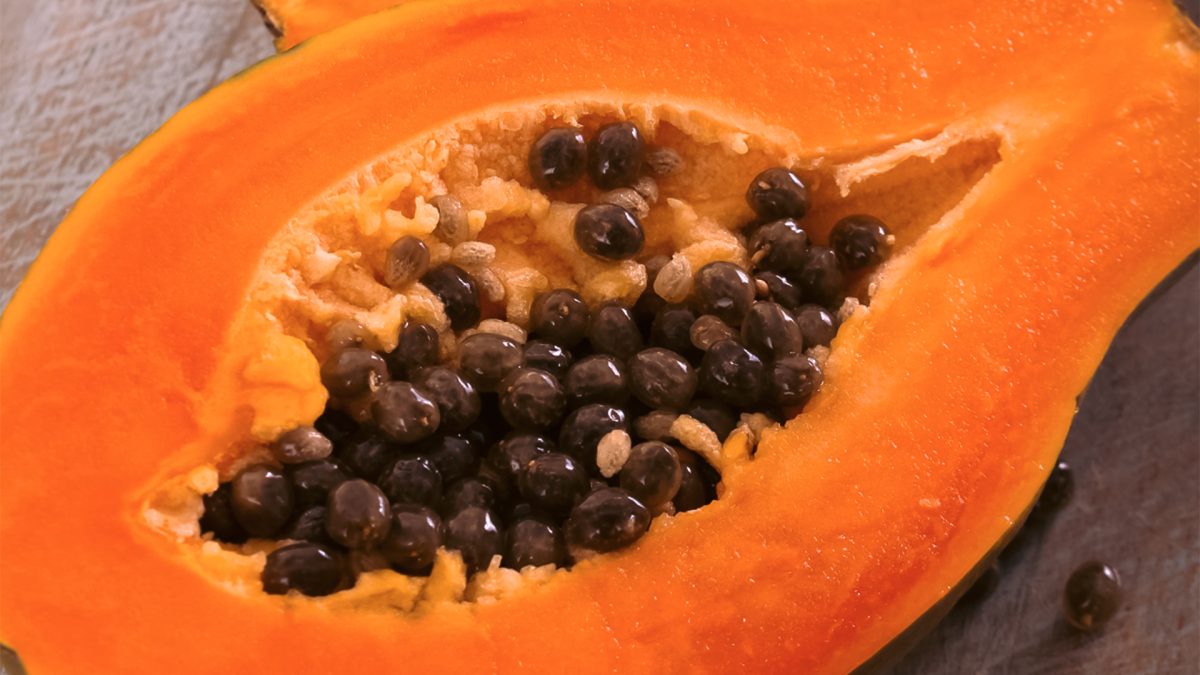
Papaya is the fruit of the Carica papaya plant. It originated in Central America and Southern Mexico but is now grown in many other parts of the world. Papaya contains an enzyme called papain, which can break down the tough protein chains found in muscle meat. Because of this, people have used papaya to tenderize meat for thousands of years. If the papaya is ripe, it can be eaten raw. However, unripe papaya should always be cooked before eating — especially during pregnancy, as the unripe fruit is high in latex, which can stimulate contractions (1). Papayas are shaped similar to pears and can be up to 20 inches (51 cm) long. The skin is green when unripe and orange when ripe, while the flesh is yellow, orange or red. The fruit also has many black seeds, which are edible but bitter.
One small papaya (152 grams) contains (2):
Calories: 59
Carbohydrates: 15 grams
Fiber: 3 grams
Protein: 1 gram
Vitamin C: 157% of the RDI
Vitamin A: 33% of the RDI
Folate (vitamin B9): 14% of the RDI
Potassium: 11% of the RDI
Trace amounts of calcium, magnesium and vitamins B1, B3, B5, E and K. Papayas also contain healthy antioxidants known as carotenoids — particularly one type called lycopene. What’s more, your body absorbs these beneficial antioxidants better from papayas than other fruits and vegetables (3).
Has Powerful Antioxidant Effects
Free radicals are reactive molecules created during your body’s metabolism. They can promote oxidative stress, which can lead to disease. Antioxidants, including the carotenoids found in papayas, can neutralize free radicals (4). Studies note that fermented papaya can reduce oxidative stress in older adults and people with prediabetes, mild hypothyroidism and liver disease (5, 6, 7, 8). Also, many researchers believe that excessive free radicals in the brain are an important factor in Alzheimer’s disease (9). In one study, people with Alzheimer’s given a fermented papaya extract for six months experienced a 40% drop in a biomarker which indicates oxidative damage to DNA — and is also linked to aging and cancer (10, 11). The reduction in oxidative stress is attributed to papaya’s lycopene content and ability to remove excess iron, which is known to produce free radicals (12, 13).
Has Anticancer Properties
Research suggests that the lycopene in papaya can reduce cancer risk (12). It may also be beneficial for people who are being treated for cancer (14). Papaya may work by reducing free radicals that contribute to cancer. Additionally, papaya may have some unique effects not shared by other fruits. Among 14 fruits and vegetables with known antioxidant properties, only papaya demonstrated anticancer activity in breast cancer cells (15). In a small study in older adults with inflammation and precancerous stomach conditions, a fermented papaya preparation reduced oxidative damage (16).
May Improve Heart Health
Adding more papaya to your diet may boost your heart health. Studies show that fruits high in lycopene and vitamin C may help prevent heart disease (17, 18). The antioxidants in papaya may protect your heart and enhance the protective effects of “good” HDL cholesterol (19, 20). In one study, people who took a fermented papaya supplement for 14 weeks had less inflammation and a better ratio of “bad” LDL to “good” HDL than people given a placebo. An improved ratio is linked to a reduced risk of heart disease (20, 21).
May Fight Inflammation
Chronic inflammation is at the root of many diseases, and unhealthy foods and lifestyle choices can drive the inflammatory process (22). Studies show that antioxidant-rich fruits and vegetables like papaya help reduce inflammatory markers (23, 24, 25, 26). For example, one study noted that men who increased their intake of fruits and vegetables high in carotenoids had a significant decrease in CRP, a particular inflammatory marker (26).
May Improve Digestion
The papain enzyme in papaya can make protein easier to digest. People in the tropics consider papaya to be a remedy for constipation and other symptoms of irritable bowel syndrome (IBS). In one study, people who took a papaya-based formula for 40 days had significant improvement in constipation and bloating (27). The seeds, leaves and roots have also been shown to treat ulcers in animals and humans (28, 29).
Protects Against Skin Damage
In addition to keeping your body healthy, papaya can also help your skin look more toned and youthful. Excessive free radical activity is believed to be responsible for much of the wrinkling, sagging and other skin damage that occurs with age (30). The vitamin C and lycopene in papaya protect your skin and may help reduce these signs of aging (31). In one study, supplementing with lycopene for 10–12 weeks decreased skin redness after sun exposure, which is a sign of skin injury (32). In another, older women who consumed a mixture of lycopene, vitamin C and other antioxidants for 14 weeks had a visible and measurable reduction in depth of facial wrinkles (33).
Delicious and Versatile
Papaya has a unique taste that many people love. However, ripeness is key. An unripe or overly ripe papaya can taste very different from a perfectly ripe one. When optimally ripe, papaya should be yellow to orange-red in color, although a few green spots are fine. Like an avocado, its skin should yield to gentle pressure. Its flavor is best when cold, so it’s a good idea to keep it refrigerated whenever possible. After washing it well, you can cut it in half lengthwise, scoop out the seeds, and eat it out of the rind with a spoon, like cantaloupe or melon. As it’s incredibly versatile, it can also be combined with other foods that complement its flavor. Here are a few easy recipe ideas using one small papaya:
Breakfast: Cut it in half and fill
each half with Greek yogurt, then top with a few blueberries and chopped nuts.
Appetizer: Cut it into strips and
wrap a slice of ham or prosciutto around each strip.
Salsa: Chop papaya, tomatoes,
onions and cilantro, then add lime juice and mix well.
Smoothie: Combine the diced fruit
with coconut milk and ice in a blender, then blend until smooth.
Salad: Chop papaya and avocado
into cubes, add diced cooked chicken and dress with olive oil and vinegar.
Dessert: Combine the chopped
fruit with 2 tablespoons (28 grams) of chia seeds, 1 cup (240 ml) of almond milk and
1/4 teaspoon of vanilla. Mix well and refrigerate before eating.


About author